
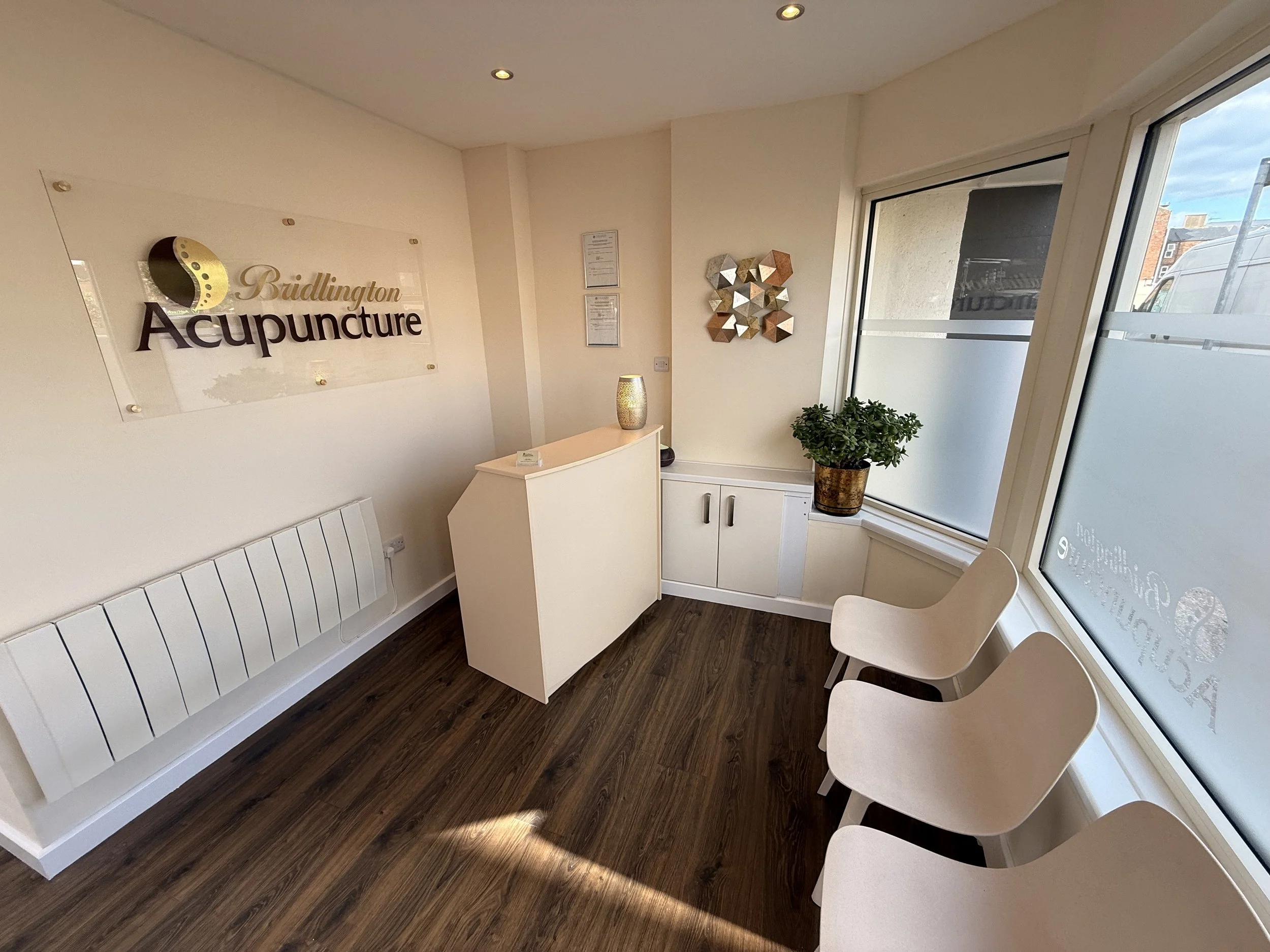
Welcome to Bridlington Acupuncture
Safe and effective treatments
Bridlington Acupuncture is dedicated to providing safe and effective acupuncture treatments to help manage a wide range of health issues. We offer traditional acupuncture, orthopaedic acupuncture, fertility and IVF support, electro-acupuncture, cupping, massage, gua sha, infrared heat therapy and moxibustion.
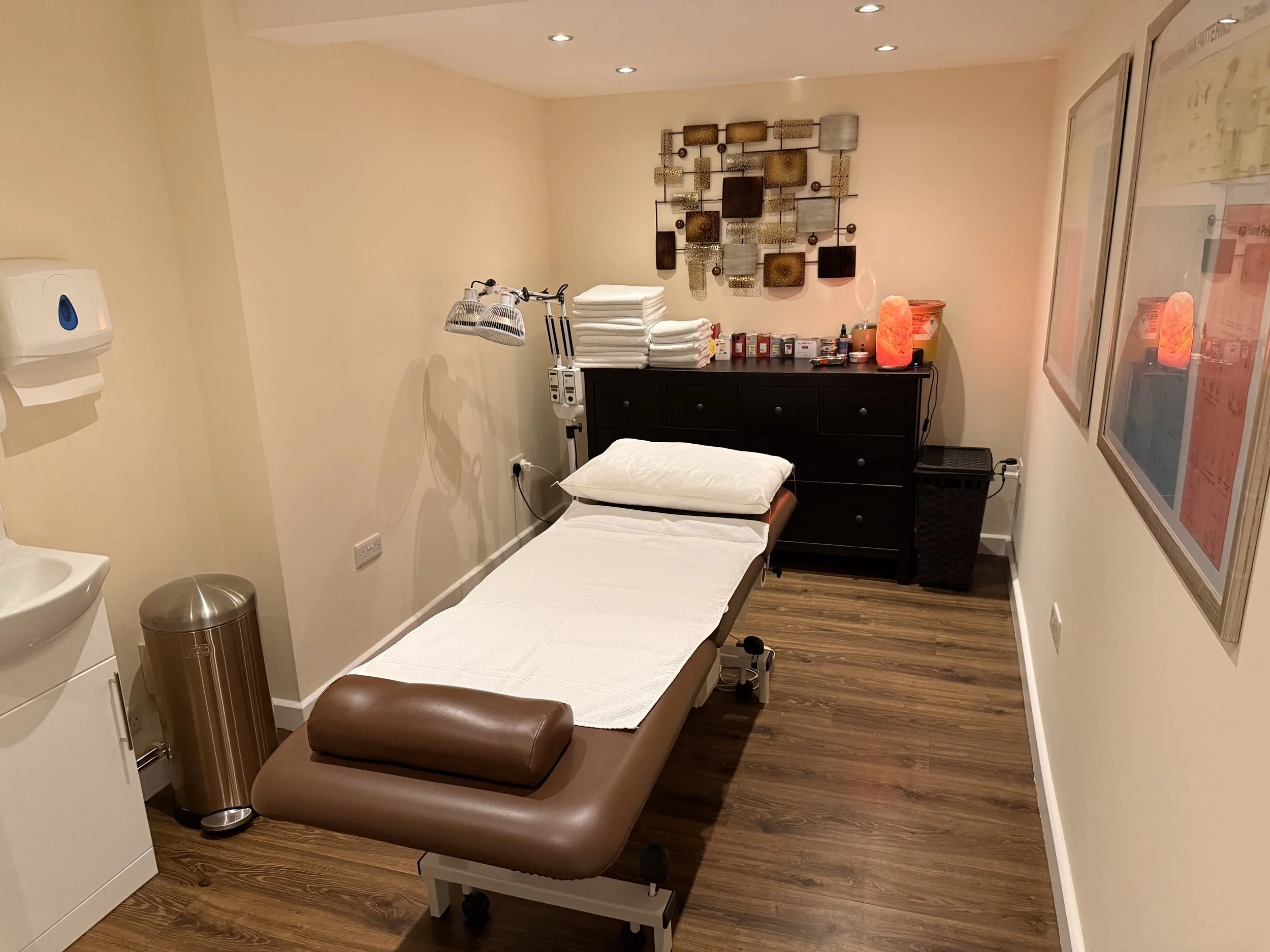
Treatments
Traditionally, acupuncture was seen to promote the smooth flow of qi or energy through meridians that run through the body and address any imbalances that could result in ill health and pain.
In Western scientific terms, acupuncture works by stimulating the brain and spinal cord to produce natural chemicals in the body. These chemicals include endorphins to relieve pain, oxytocin to reduce stress, melatonin to encourage sleep, serotonin to enhance feelings of well-being and adenosine which reduces inflammation in the body, therefore assisting in the body’s natural healing process. Acupuncture also stimulates nerve fibres to block out pain signals and help to reduce the sensitivity of tender points in the body.
Acupuncture is used to treat a wide range of conditions and the evidence base in support of its use is continually growing. Well known for treating chronic pain conditions such as back, neck, shoulder and knee pain, research has also found acupuncture to be helpful in:-
Headaches and migraine
Osteoarthritis
Mental health issues (depression, anxiety, PTSD)
Digestive disorders such as IBS and overactive bladder
Male and female fertility issues and IVF support
Chronic Prostatitis symptoms
Orthopaedic Acupuncture has evolved from and integrates Traditional Chinese Acupuncture but is based on a modern understanding of human anatomy and physiology.
Traditional techniques are used to treat the muscles and soft tissues of the body in particular to release taut bands of muscle or trigger points that can often be a major cause of musculoskeletal pain and dysfunction.
Many athletes and sports clubs use acupuncture to enhance athletic performance, aid recovery and treat sports injuries such as:
Plantar Fasciitis
Achilles Tendonitis
Morton's Neuroma
Shin Splints
Tennis/Golfer's Elbow
Back pain and Sciatica
Knee pain
Neck pain
Shoulder pain
IT Band and Hamstring tightness
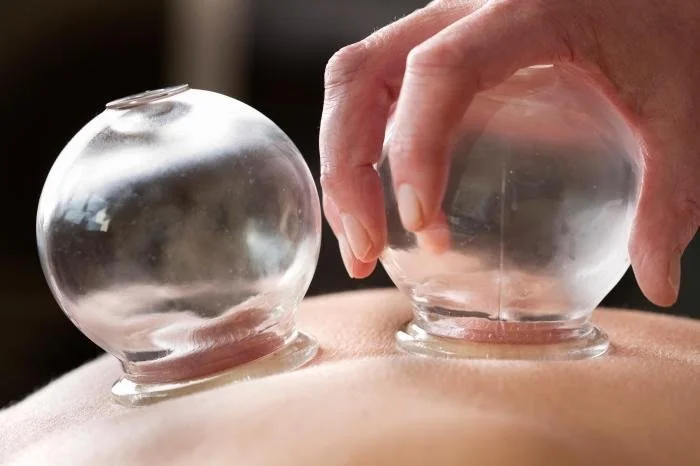
Cupping is a traditional Chinese treatments commonly used alongside acupuncture to treat fasciomusculoskeletal injuries and complaints (including sports related issues).
Cupping or ‘myofascial decompression’ can be thought of as a reverse massage. The tissues are sucked up into glass, plastic or silicone cups which are then either left in place or moved over the lubricated skin in a gliding motion which releases tension in muscle, fascia and connective tissue improving mobility.
Cupping also encourages blood flow and lymphatic drainage, works to release knots and trigger points and mobilises adhesions and scar tissue.
Traditionally, cupping is also used for lung issues such as asthma, bronchitis and cold & flu symptoms.
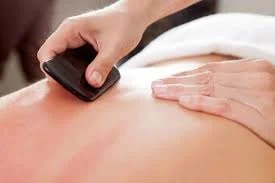
Gua sha is a healing technique of traditional East Asian medicine. Gua sha means to “press-stroke” and is commonly called ‘coining’ or ‘spooning.’ It involves the scraping of lubricated skin with a specialised tool to increase microcirculation to the tissues and to create a therapeutic anti-inflammatory effect.
Modern research shows Gua sha produces an anti-inflammatory and immune protective effect that persists for days following a single Gua sha treatment. This accounts for its effect on pain, stiffness, fever, chill, cough, wheeze, nausea and vomiting etc.
The red petechiae marks often left on the skin by Gua sha usually only last a few days and are painless
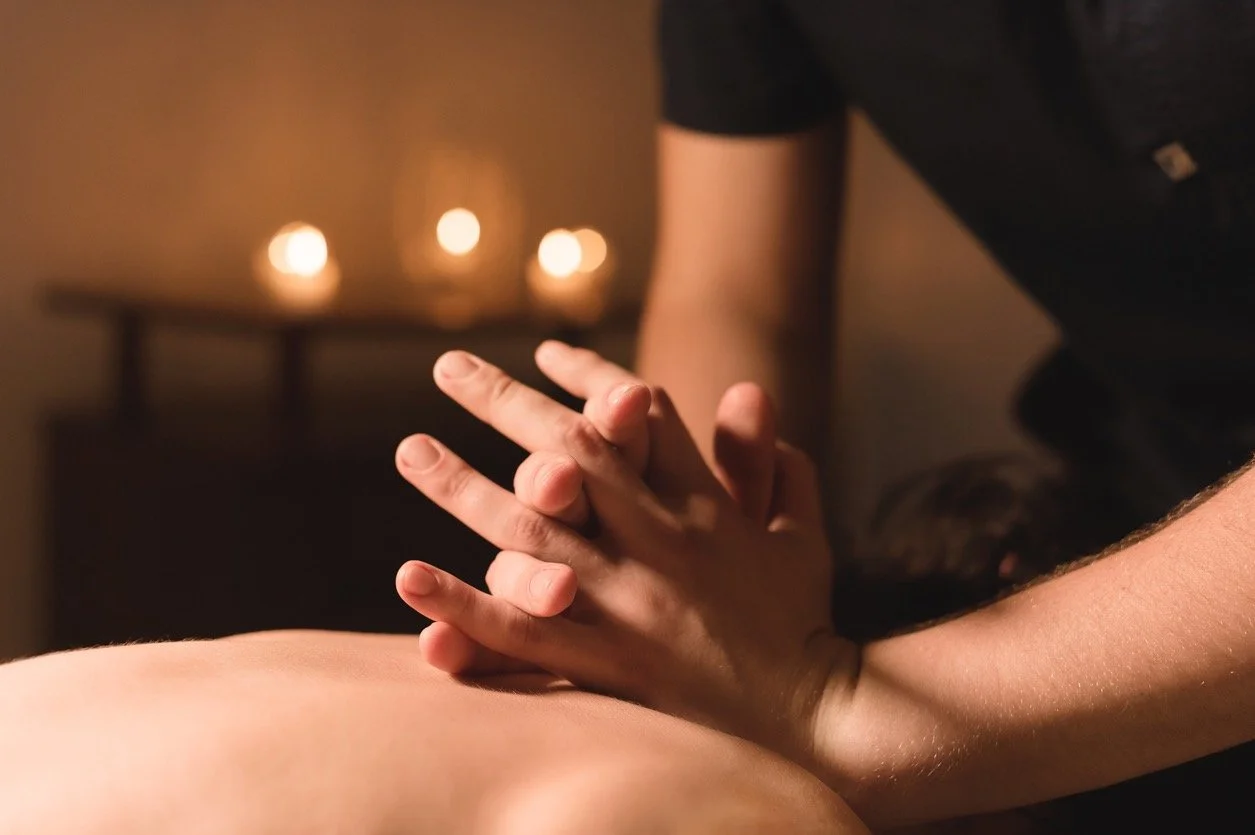
Massage therapy uses hands-on techniques to relax muscles, improve circulation, and restore balance to the body. Massage can aid in relaxation, pain relief, injury recovery, or improved mobility, combining gentle stroke, kneading, and targeted pressure to address specific areas of tension. Massage is combined with acupuncture, cupping or gum sha therapy for a comprehensive approach to health and recovery.
Benefits
Reduces muscle tension and stiffness
Relieves pain from chronic conditions and sports injuries
Improves circulation and lymphatic drainage
Enhances joint mobility and flexibility
Lowers stress and promotes deep relaxation
Supports faster recovery after exercise or injury
Improves sleep quality and overall sense of well-being
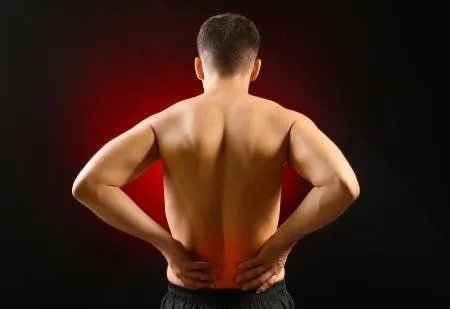
Infrared heat is a form of energy that heats the body more effectively and penetrates more deeply than other types of heat. Infrared light penetrates deep into the body all the way to the inner layers of the skin, muscles, nerves, and bones.
The infrared heat boosts local blood circulation, which brings more healing nutrients and pain-relieving components to the area, reduces inflammation, relaxes muscles and reduces muscle stiffness.
Infrared heat therapy is often used alongside acupuncture to enhance the therapeutic effect of the treatment.
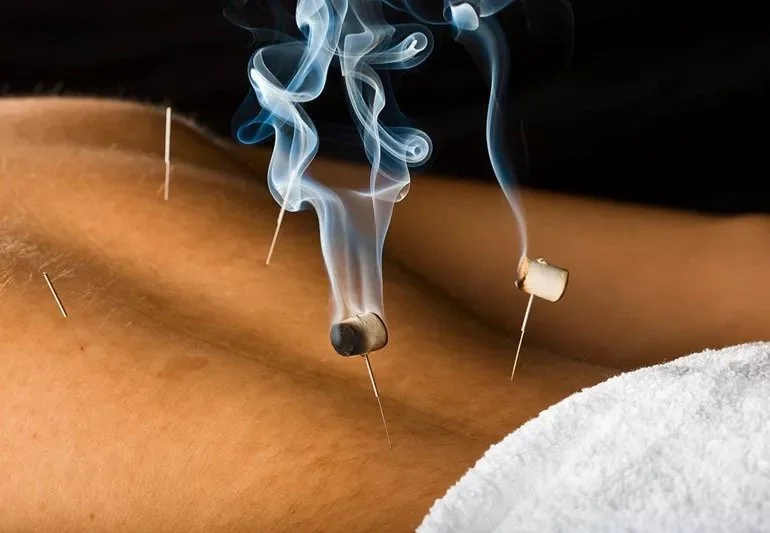
Moxa, short for moxibustion, is a traditional East Asian therapy that uses the dried leaves of the mugwort plant (Artemisia vulgaris). The herb is burned near or on the skin at specific acupuncture points to deliver heat and medicinal vapours. This thermal stimulus is believed to promote circulation, warm and invigorate the flow of Qi and blood, and support the body’s natural healing and immune responses.
Common uses and benefits
Pain relief: Often used for chronic musculoskeletal pain such as low back pain, knee arthritis and joint stiffness by improving local circulation and reducing muscle tension.
Improved circulation and warming: The heat from moxa helps dilate blood vessels and relieve cold-related pain and stiffness; it is frequently used where a warming effect is desired.
Digestive and gynecological support: Traditional use includes helping digestive complaints, menstrual irregularities and pelvic pain—particularly where cold or stagnation is thought to play a role.
Immune support and recovery: Moxa is traditionally used to strengthen Yang energy and support immune function, often applied in chronic or recurrent conditions to aid recovery.
Complement to acupuncture: Adding moxa to acupuncture can deepen stimulation, extend treatment effect and be especially helpful when warming is indicated.
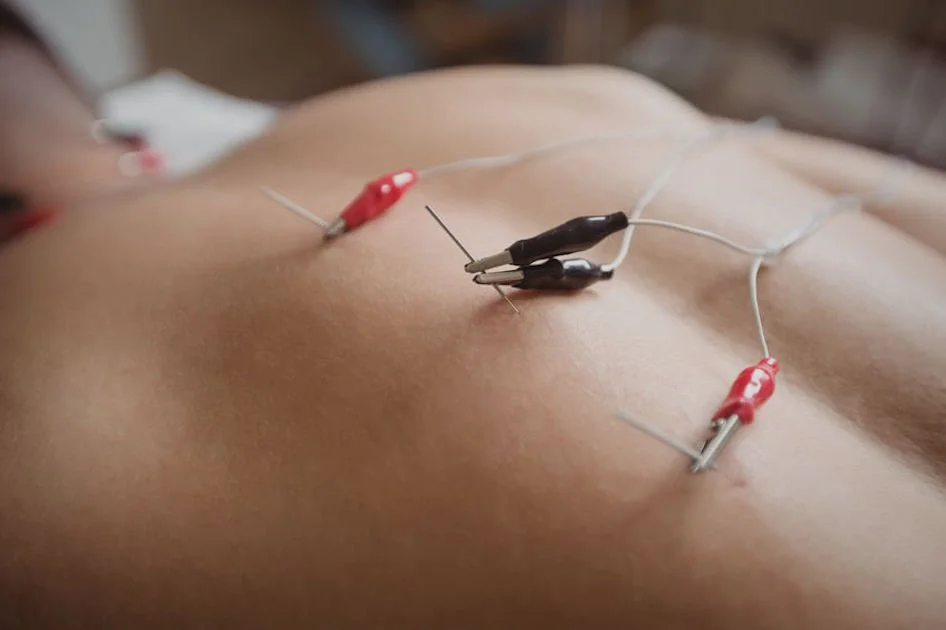
Electro-acupuncture involves attaching small electrodes to the acupuncture needles and applying a pulsating electrical current to stimulate the point and enhance the therapeutic effect of the treatment. The patient will feel a gentle vibration which is often very soothing.
While electro-acupuncture may be used as a component of almost all acupuncture treatments, it is has garnered especially good results regarding the treatment of neurological diseases, chronic pain, spasms, and paralysis. It is also commonly used in sports medicine to treat sports injuries.
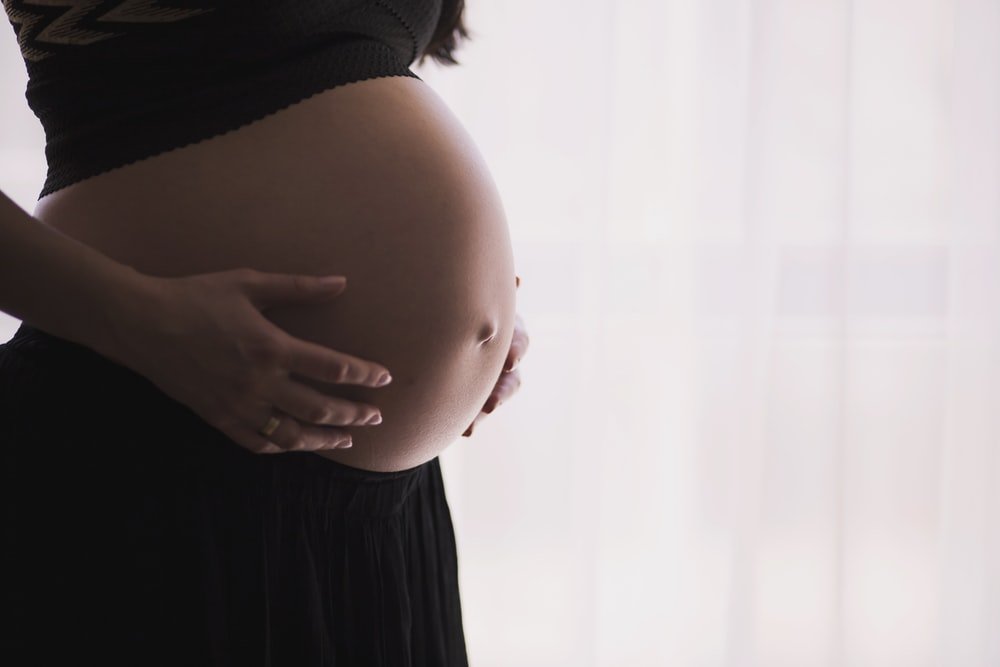
Acupuncture is widely used as a complementary therapy for fertility issues and in support of assisted reproductive technologies such as IVF.
How acupuncture may help fertility and IVF
Improve blood flow to the reproductive organs: Needling and adjunct therapies can increase circulation to the uterus and ovaries, supporting endometrial thickness and ovarian function, which are important for ovulation, implantation, and embryo nourishment.
Support hormonal balance and menstrual regularity: Acupuncture can modulate the nervous and endocrine systems, helping regulate the hypothalamic–pituitary–ovarian axis. This can aid ovulation in conditions such as polycystic ovary syndrome (PCOS) and help restore regular cycles.
Enhance egg quality and ovarian responsiveness: Improved local circulation and reduced physiological stress may support follicular development and the ovarian response to stimulation during IVF.
Improve endometrial receptivity: Better uterine blood flow and reduced uterine tension can contribute to an environment more conducive to embryo implantation. Some studies suggest acupuncture around the time of embryo transfer may enhance implantation rates.
Reduce stress and support emotional wellbeing: Fertility treatment is physically and emotionally demanding. Acupuncture activates relaxation pathways, lowers stress hormones, and can help reduce anxiety and depressive symptoms, which may indirectly improve treatment outcomes.
Manage side effects of fertility medications and procedures: Common side effects such as nausea, headaches, insomnia, and pelvic pain can often be alleviated with targeted acupuncture and supportive therapies like electro-acupuncture or infrared therapy.
Typical treatment approach at Bridlington Acupuncture
Initial assessment: A detailed medical, reproductive, and lifestyle history is taken to identify patterns and tailor treatment plans.
Pre-IVF phase: Regular sessions in the weeks leading up to ovarian stimulation to optimize blood flow, reduce stress, and encourage hormonal balance.
During stimulation and egg retrieval: Short, targeted sessions can help manage side effects and support ovarian function.
Around embryo transfer: A common protocol includes a session within 24–48 hours before transfer and one shortly after transfer to promote relaxation and uterine receptivity.
Post-transfer and early pregnancy support: Continued, individualized sessions to support implantation and reduce early pregnancy stressors.
Timing and frequency vary by individual; typical pre-IVF preparation may involve weekly treatments for 6- 10 weeks, with additional sessions timed to IVF stages. We will create a plan that fits your fertility schedule.
Get in Touch
If you have any questions or would like to book an appointment, please use the buttons below or contact us by filling out the form below and we will get in touch with you shortly. Alternatively, you can give us a call, text or email – we hope to see you soon!